Dogs and cats almost always signal that they are overwhelmed long before they growl or swat. A puppy who yawns, licks their lips, or turns their head away during a greeting is asking for space, and a kitten who goes still, crouches low, or swivels their ears out to the side is saying the same thing. When those early signals get missed, socialization stops building confidence and starts teaching fear, and your pet learns that showing discomfort changes nothing. Punishing the growl or the hiss that eventually follows removes the warning without touching the anxiety underneath it.
Reading your own pet takes practice, and Creature Comforts Veterinary Service in Saylorsburg would rather help you learn it early than treat the anxiety that sets in later. Wellness visits for puppies and kittens give us a chance to watch how your pet responds to handling, point out the signals you may have missed, and time vaccinations so you can start socializing safely. Every animal takes in the world differently, and we build the plan around the one in front of us. If your dog or cat is telling you something you cannot quite place, let us help you make sense of it.
Socialization and Early Training: The Basics
- The window for easy social learning closes early, and the first few months shape how your pet handles new people, places, and handling for years.
- Good socialization means short, positive introductions your pet can walk away from, not as much exposure as fast as possible.
- Reward-based training and predictable routines prevent more anxiety than any correction ever fixes.
- A sudden behavior change in an adult pet deserves a medical exam first, since pain and illness often look like a personality change.
What Is Your Pet Telling You Before the Growl or the Swat?
Stress escalates in a predictable order, and the quiet signs of fear and stress in dogs come first: lip licking, yawning when nobody is tired, turning the head away, and a tucked tail. Cats say it differently, going still, flicking the tail, or grooming out of nowhere.
| Where your pet is | In a dog | In a cat |
| Comfortable | Loose body, soft mouth, low swinging tail, approaches and leaves freely | Tail up, ears forward, slow blinks, rubbing on furniture |
| Mildly worried | Lip licking, yawning, sniffing the ground, shaking off when dry | Ears rotating out, tail flicking, sudden grooming, going still |
| Asking for space | Head turned away, backing up, whites of the eyes showing, tail tucked | Crouched low, ears flat, pupils wide, heading for a hiding spot |
| Out of options | Freezing, hard stare, growling, snapping | Hissing, swatting, flattened crouch with a thumping tail |
Catch the mild worry and you still have easy choices: add distance, turn the volume down, or end the session while it's going well. By the time your pet is out of options, they've already learned that nobody listened. A pet who can leave rarely needs to escalate, so give them a crate, a carrier, or a high perch to retreat to.
Where Does Anxiety in Dogs and Cats Begin?
Much of the anxiety we see in adult pets traces back to the first few months. The early socialization window opens around three weeks and starts closing by twelve to fourteen weeks in puppies; kittens run on a shorter clock, with the window narrowing between seven and nine weeks. A puppy or kitten files new experiences under normal with little effort then, while the same introduction at eight months can take many more repetitions.
What fills that window matters as much as the timing: a puppy crowded by a dozen children at a fair learns that people are overwhelming, not safe. Genetics and the mother's temperament matter too, so some pets need gentler doses than their littermates.
What Does a Good Introduction Look Like for a Puppy or Kitten?
A good introduction is short, positive, and something your pet can walk away from, because a session that ends before anybody gets nervous beats a long afternoon your pet only endures. Many common behavior problems in adult dogs, such as barking at strangers, lunging on leash, and shredding the couch when left alone, start as fear rather than stubbornness.
| Experience | Puppies | Kittens |
| Being handled | Brief touches to ears, paws, nails, and mouth, a few seconds each | The same touches, plus being wrapped in a towel and picked up |
| Household and outdoor noise | Quiet recordings of the vacuum, blender, and thunder, paired with food | The doorbell, a hair dryer, and street noise from the next room, paired with food |
| People | One or two at a time, varying in age, voice, headwear, and uniform | Visitors who sit on the floor and wait for the kitten to come to them |
| Footing | Wet grass, gravel, metal grates, and a board that wobbles | Carpet, tile, cardboard, and a scratching post sturdy enough not to tip |
| Other animals | Vaccinated dogs you know, who play politely and pause on their own | The resident pet seen through a baby gate first, then briefly with it open |
| Clinic-style experiences | Stepping onto a scale, letting a stranger look in both ears | Napping in the carrier, being handled on a countertop |
Kittens do most of this work indoors, so who comes over, who handles their feet, and what noises happen while they eat shape an adult cat more than any outing does.
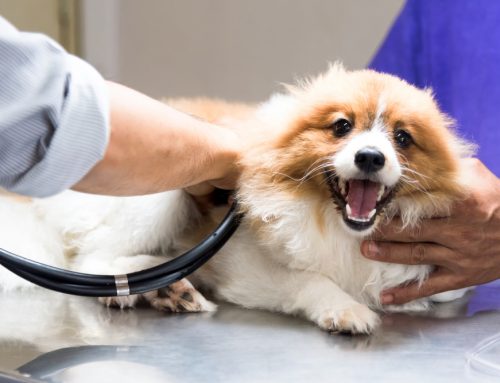
A few seconds of ear peeks, paw holds, and chin rests at home, each one paid with a treat, means the exam room isn't the first place anyone has touched your pet's feet, and a settled pet gets a more thorough look at their hips, belly, and mouth than a frightened one does. Practice the car with short trips that end somewhere pleasant rather than only here, and if visits have gone badly before, tell us when you book so we can plan the appointment around what your pet can handle.
What Can a Puppy Do Outside Before Their Last Vaccine?
Early socialization is safest in controlled settings with animals you know are vaccinated. Puppy classes can begin at seven to eight weeks for a puppy who's had their first vaccines and deworming, and waiting for the whole series costs more in lost socialization time than it saves in disease risk.
Which Places Are Safe, and Which Should You Skip?
A good class gives a puppy playmates their own size, a floor full of odd surfaces, and an instructor who ends play before it tips over, and you get coaching while the mistakes are still small. Parvovirus lingers in contaminated soil for as long as a year, which rules out dog parks, pet store floors, and the strip of grass outside any clinic for a puppy who isn't fully vaccinated. At puppy and kitten wellness exams we go over which outings are safe right now, based on the vaccines they've had.
How Do You Teach Carrier and Leash Skills?
- Carrier: Carrier training works when the carrier never gets put away. Leave it open in a room your cat already likes, and serve meals, treats, and naps inside it for weeks before any car ride.
- Leash: Clip it on indoors, pay your puppy for walking beside you, and stop moving the moment the line goes tight, so pulling never gets anybody anywhere. Leash manners reinforced before they see the first squirrel in the park pay dividends.
How Do You Get a Puppy Used to Bikes and Strollers?
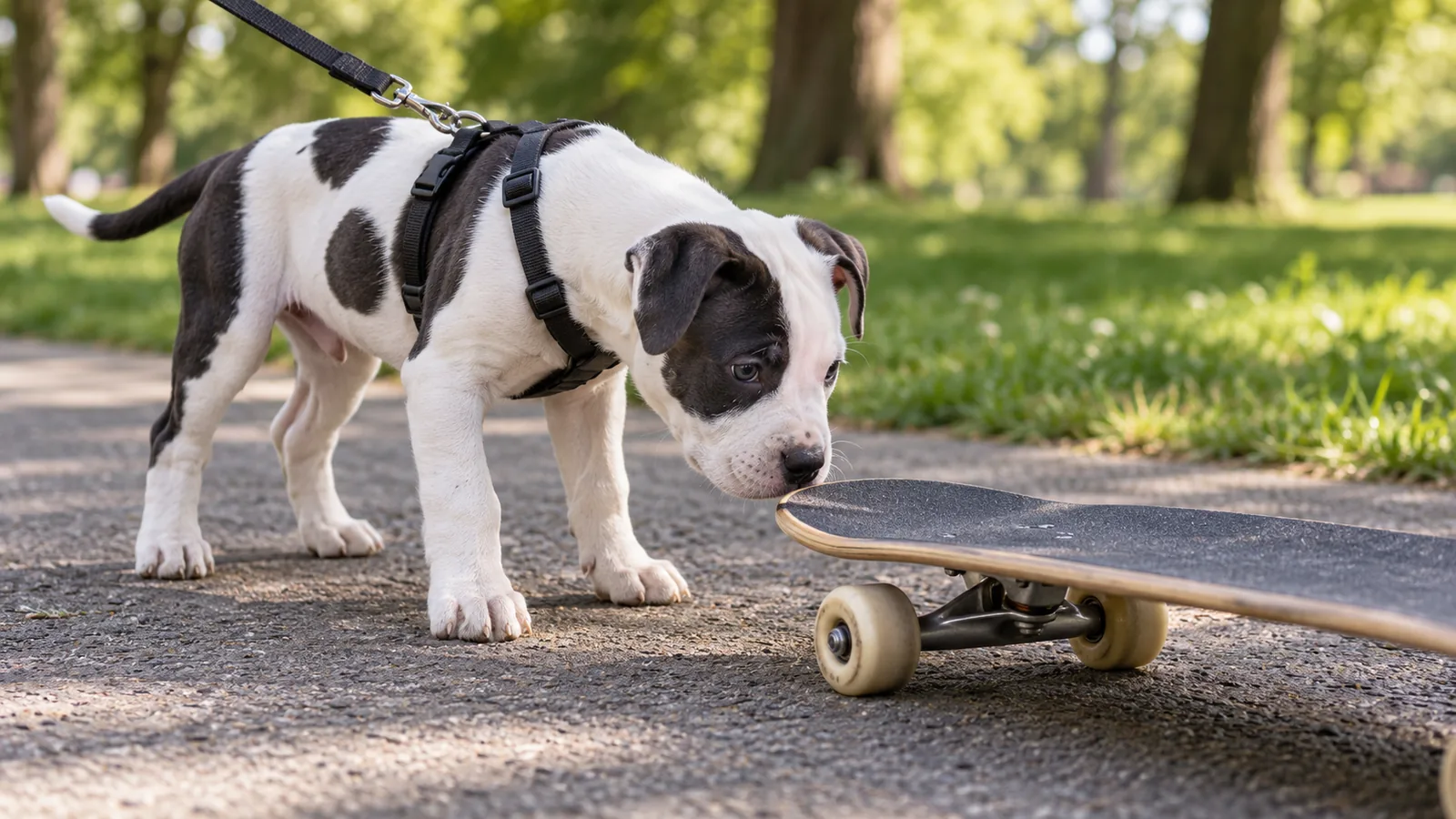
Dogs who never met bikes, skateboards, or strollers as puppies often grow into adults who lunge or chase, and a summer weekend in the Poconos puts all three on the same stretch of sidewalk. Start far enough back that your puppy notices without reacting, feed while the wheels roll past, and close the distance over weeks rather than days.
Does the Way You Train Change Whether Your Pet Gets Anxious?
How you train shapes anxiety as much as what you teach, because positive training changes what your pet expects from you. A dog who has learned that your hands and voice predict good things offers behavior willingly, while a dog taught by corrections learns that a reaching hand predicts something unpleasant, and that dog freezes, hides, or snaps.
Why Does Reward-Based Training Work?
Mark the second your pet gets it right, pay with something worth having, and keep sessions to a minute or two. Cats learn this way as readily as dogs, and a clicker and a few pieces of chicken can teach a cat to walk into their carrier on cue. Prong collars, shock collars, and the old advice to pin a puppy can suppress a behavior quickly, but the cost arrives later as a pet who is more fearful and, in some cases, more likely to bite.
Do Predictable Routines Help?
Meals, play, and litter box care at roughly the same times tell a pet that nothing surprising is coming, which matters especially for cats, who are sensitive to household change. When the schedule breaks for travel or a renovation, keep one room untouched with the usual bed, bowls, and box, and hold the feeding routine steady even if the hour moves.
Which Fears Show Up Most, and How Do You Prevent Them?
Reactivity, resource guarding, separation anxiety, noise aversion, and tension between housemates all start small, and each one is easier to prevent in a puppy or kitten than to unwind in an adult who has practiced it for a year.
How Do You Prevent Reactivity?
Reactive behavior looks like aggression from the sidewalk, but the barking and lunging are usually a fear response asking for more room, so start by giving that room and paying the choice to look away. Teaching a puppy to notice a trigger and then check in with you is the skill to build early.
How Do You Prevent Noise Aversion?
Fear of Pennsylvania's summer thunderstorms and Fourth of July fireworks runs from mild panting to clawing through drywall, and it often worsens with each season. Low-volume recordings paired with dinner, a dark interior room to retreat to, and a calm response from you all help, and comforting a frightened pet doesn't reinforce the fear, so petting the dog pressed against your leg is fine. Pets who bolt in a panic get lost, so keep collar tags and microchip registration current before the holiday. A pet who panics hard enough to run or hurt themselves needs to be seen that night, and we have emergency care around the clock in Saylorsburg, so call ahead and we'll be ready for them.
How Do You Prevent Resource Guarding?
Play the trade game from the start: offer a treat, take the chew, then hand the chew back, so your puppy learns that a hand near their bowl or toy brings something better rather than a loss. Lifting food away to prove a point teaches the opposite. Cats guard too, usually a food bowl or a window seat, and the fix is more of the resource rather than a lesson about sharing.
How Do You Prevent Separation Anxiety?
Separation anxiety shows as pacing, howling, scratching at doorframes, and accidents that happen only when your pet is alone, usually inside the first fifteen to thirty minutes after the door closes. Build alone time on purpose from the first week: a few minutes behind a gate while you're home, a chew that only appears when you leave, and departures without a long goodbye.
How Do You Prevent Tension Between Housemates?
Tension among cats usually traces back to competition over food, litter boxes, and resting spots, so separate feeding stations, one litter box per cat plus one, and several high perches in different rooms do more for household peace than stepping in to referee. Dogs feel the same squeeze over doorways and food bowls, so feed them in separate rooms.
Does Enrichment Change Anxious Behavior?
Enrichment changes a lot of anxious-looking behavior, because instincts with no outlet come out as chewing, scratching, and pacing the house at night. Dog enrichment needs no expensive gear: a scattered handful of kibble in the grass, a cardboard box stuffed with paper and treats, and a walk where the nose sets the pace all give a bored brain something to do.
Cats need the same thing in a vertical layout: a wand-toy hunting session before dinner, kibble hidden in a muffin tin under tennis balls, a window perch, and a paper bag on the floor, with toys rotated weekly so they stay interesting. Calming supplements and pheromone diffusers can take the edge off a hard week while the training does the lasting work, so ask us before you start one, since not every product suits every pet.
When Should a Behavior Change Send You to the Vet?
A behavior change that appears suddenly in an adult pet is a medical question before it's a training one. Pain, thyroid shifts, failing eyesight or hearing, and changes in an aging brain can all surface as irritability, hiding, clinginess, or new aggression, so the exam comes before the behavior plan.
- A dog who starts growling when lifted may have a sore neck or back.
- A cat who stops using the litter box may have a bladder problem, and a cat who strains in the box without producing urine needs to be seen right away, because a urinary blockage can become life-threatening in as little as a day.
- A senior who paces at two in the morning and gets stuck in corners may be showing signs of cognitive decline rather than bad manners.
We start with a hands-on exam and a conversation about what changed and when, and where the picture calls for it, bloodwork and imaging rule out what no training can fix. If the workup is clean, we'll build the behavior plan with you, and we can help you reach a veterinary behaviorist when a case needs one.
Socialization Questions About Age, Second Pets, and Bold Puppies
Is my adult dog or cat too old to socialize?
Older dogs and cats can still change, but it takes longer and needs more structure. The work shifts from new introductions to counterconditioning, which means changing how your pet feels about a trigger rather than simply exposing them to it, built in small doses at a distance your pet can handle. Keeping them out of situations that set off the fear matters too, since every rehearsal strengthens it.
Will a second pet fix my pet's anxiety?
A second pet usually doesn't fix anxiety, and sometimes it makes things harder. A dog with separation anxiety misses you specifically, so a new housemate doesn't answer the problem, and an anxious cat often reads a newcomer as one more thing to monitor. A confident, social pet may truly enjoy company, so settle that question before you adopt a second pet, because household rivalry takes far longer to undo than it took to create.
My puppy isn't afraid of anything. Can I stop?
Keep going, because confidence at ten weeks doesn't guarantee confidence at ten months. Many dogs pass through a second, more sensitive stretch during adolescence, and a puppy who sailed through the early window can start barking at the neighbor's trash cans at eight months. Steady positive exposure across the first year, in sessions short enough to stay fun, protects what you built.
Setting Your Pet Up for Confidence
The first months are the easiest window for this work, and a pet who learns early that new things are safe carries that into adulthood. If you aren't sure whether what you're seeing is confidence or stress, schedule a visit at Creature Comforts Veterinary Service in Saylorsburg and we'll go through it with you and build the plan around your pet.